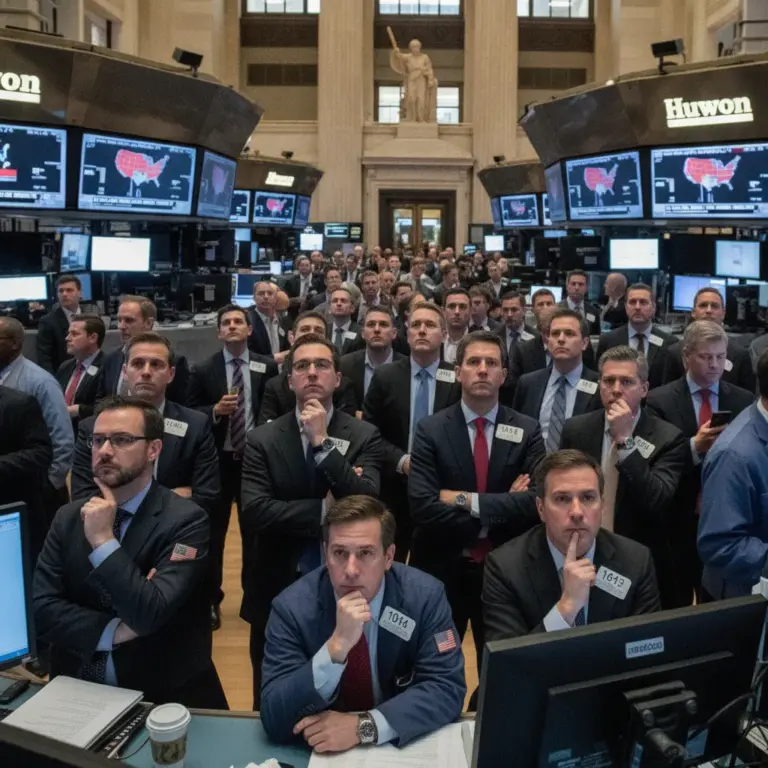

Wall Street found its footing on Thursday after a surprisingly robust jobs report helped erase the sting of a brutal sell-off in technology shares. Just twenty four hours earlier, investors had panicked over the future of artificial intelligence and data center growth following a Democratic sweep in the midterms, leading to the steepest decline in equities since April 2025. However, fresh government data showing that U.S. employers added 165,000 jobs in October far exceeded economist expectations of just 59,000, signaling that the broader economy remains remarkably resilient.
The labor market surge provided a critical psychological anchor for traders, helping them distinguish between a volatile market correction and a genuine economic recession. With the unemployment rate dipping slightly to 4.1 percent and wages continuing to climb, strategists argue that the fundamental health of the American economy can withstand short term political shifts. This optimism manifested clearly in the closing numbers, as the tech heavy Nasdaq bounced back with a gain of over one percent and the S&P 500 managed to edge upward despite lingering uncertainty.
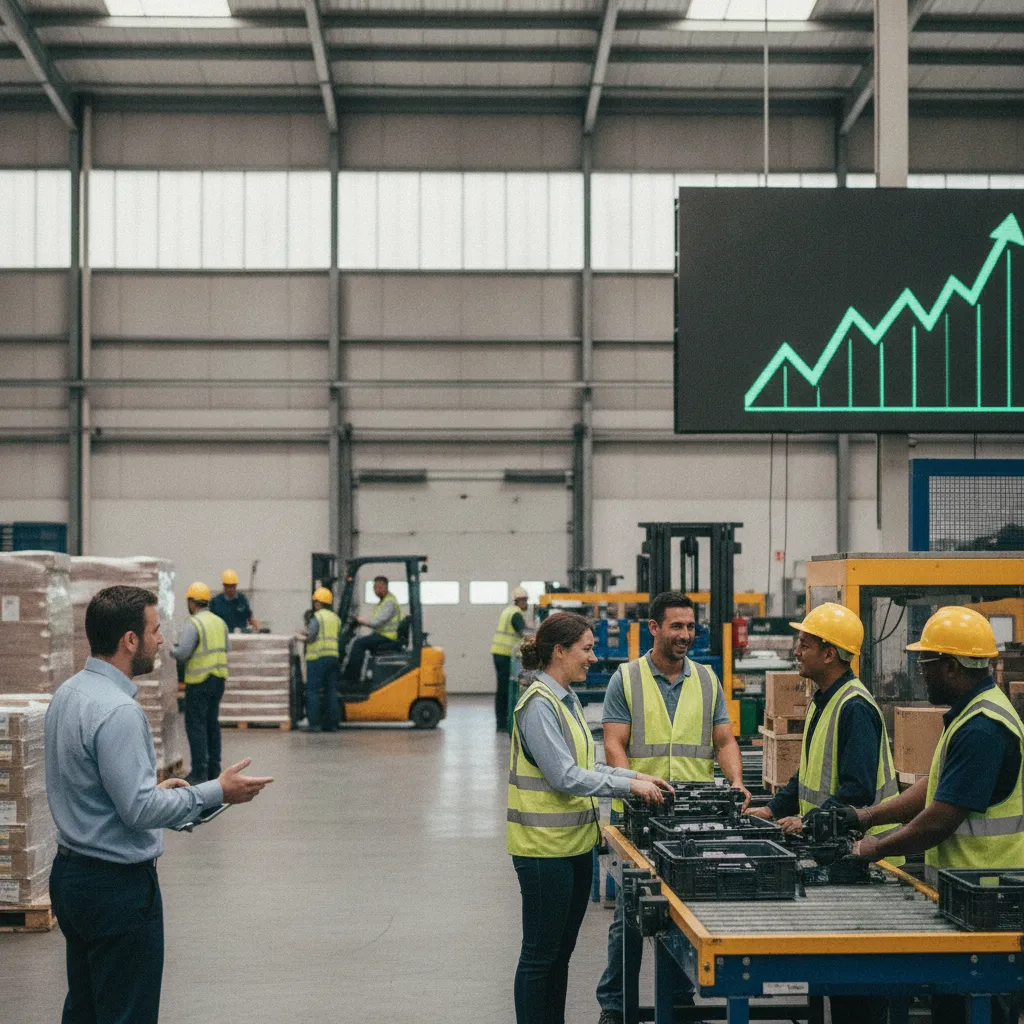
While some analysts warn that this strength might force the Federal Reserve to raise interest rates to stave off inflation, others suggest the current environment is stable enough to absorb those costs. Corporate earnings remain high and GDP growth continues at a healthy pace, suggesting that the industrial engine is humming regardless of shifting policy winds in Washington. Even within the embattled AI sector, industry leaders are pushing back against narratives of a slowdown, citing massive ongoing investments like Google’s planned seventeen billion dollar facility in Wyoming.
Market experts now view the recent dip as a potential buying opportunity rather than a signal of systemic failure. There is a growing consensus that while regulatory hurdles might shift where data centers are built, they will not stop being built altogether. In fact, some researchers believe increased oversight may actually benefit established giants who possess the capital and legal resources to navigate complex rules more effectively than smaller startups, ensuring that the long term trajectory for big tech remains positive despite several bumpy turns along the way.