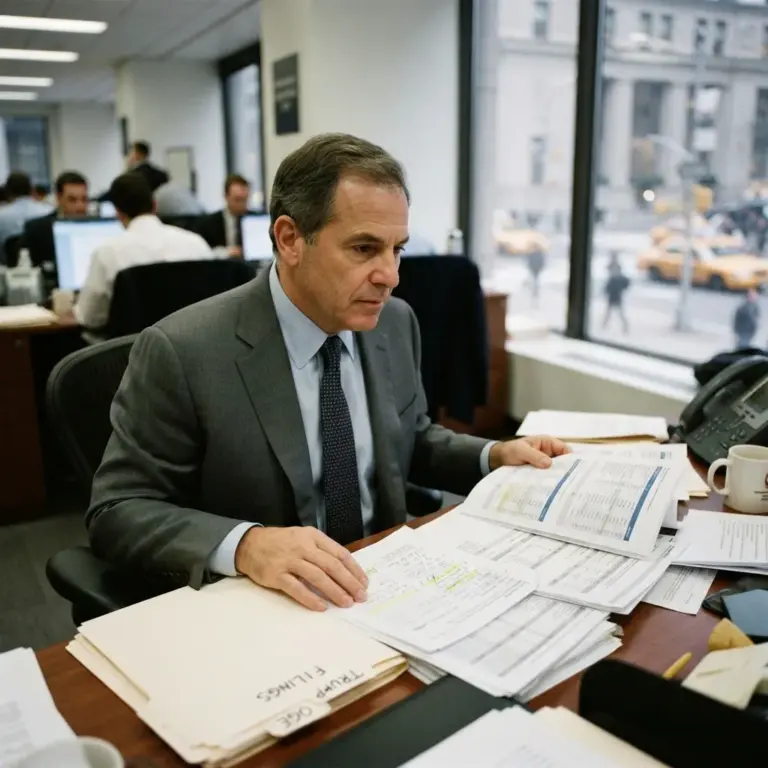

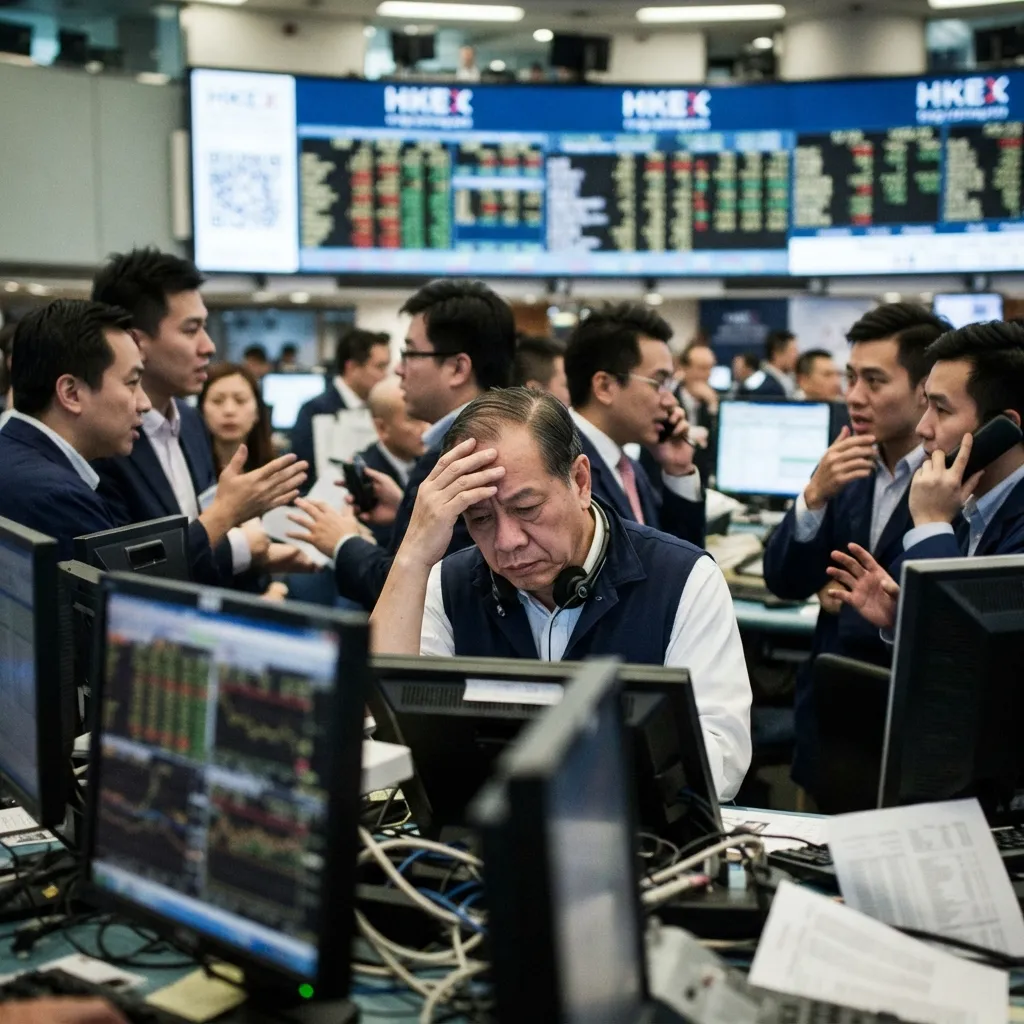
Investors across the Asia Pacific region are bracing for a cautious start to the trading day as several economic headwinds converge to dampen market enthusiasm. The primary concern stems from the White House unveiling a sweeping new set of tariffs on Wednesday that target more than a dozen major global trading partners, including the European Union and China. This sudden shift in trade policy has left traders questioning the long term stability of international commerce and its immediate impact on regional exports.
Adding to the anxiety is a fresh batch of U.S. inflation data that suggests prices remain stubbornly high. Recent figures show the personal consumption expenditures price index climbed to 3.8 percent year on year in October, while core inflation also edged higher than analysts had anticipated. These numbers have reinforced fears that the Federal Reserve may be forced into further monetary tightening, which typically puts pressure on emerging markets and weighs heavily on risk appetite globally.
The mixed signals were evident in overnight activity within American markets just before their break for the Thanksgiving holiday. While the Dow Jones managed a late recovery to finish slightly positive, erasing an earlier massive plunge, tech stocks struggled as evidenced by losses in the Nasdaq Composite. This volatility reflects growing skepticism regarding current levels of spending on artificial intelligence, another key driver of recent market gains that now seems to be under scrutiny.
Despite these pressures, early indicators suggest some resilience among Asian indices. Futures for Japan’s Nikkei 225 and Hong Kong’s Hang Seng showed modest positioning relative to their previous closes, while Australia’s S&P/ASX 200 ticked upward slightly. However, most analysts expect a quiet opening as participants wait for clearer signs of how the new tariff regime will actually play out on the ground throughout the coming weeks.